Exploring the world of troubleshooting for Hisense Portable ACs, this guide aims to equip users with the knowledge and skills needed to address any problems that may arise. From basic steps to error code interpretation, this comprehensive overview delves into the intricacies of troubleshooting with clarity and precision.
As we unravel the mysteries behind Hisense Portable AC troubleshooting, users will gain valuable insights into maintaining and optimizing the performance of their units.
Overview of Hisense Portable AC Troubleshooting Guide
When it comes to troubleshooting your Hisense Portable Air Conditioner, having a comprehensive guide can be incredibly helpful in resolving common issues that may arise. These guides provide users with step-by-step instructions on how to identify and fix problems, ultimately ensuring optimal performance of the portable AC unit.
Portable air conditioners, like those from Hisense, are convenient cooling solutions that can sometimes encounter technical difficulties. Having a troubleshooting guide at your disposal can save you time and money by allowing you to troubleshoot and potentially resolve issues on your own, without the need for professional assistance.
Common Issues with Hisense Portable ACs
- Insufficient Cooling: If your Hisense Portable AC is not cooling effectively, check the air filters for dirt and debris that may be blocking airflow. Cleaning or replacing the filters can improve cooling efficiency.
- Noisy Operation: Unusual noises coming from the portable AC unit may indicate a problem with the fan or other internal components. Refer to the troubleshooting guide to diagnose and address the source of the noise.
- Water Leaks: Excessive condensation or water leaks around the unit can be a sign of a clogged drain tube or improper installation. The troubleshooting guide can help you locate the issue and take appropriate measures to prevent leaks.
- Electronic Display Errors: If the electronic display on your Hisense Portable AC shows error codes or malfunctions, consult the troubleshooting guide to understand the meaning of the codes and how to troubleshoot the problem.
Basic Troubleshooting Steps
When experiencing issues with your Hisense Portable AC, there are some basic troubleshooting steps you can take to address the problem before seeking professional help.
Checking Power Supply and Connections
- Ensure the unit is plugged into a working power outlet and that the power cord is securely connected to the AC and the outlet.
- Check for any tripped circuit breakers or blown fuses that may be affecting the power supply to the AC.
- Verify that the power switch on the unit is turned on.
Resetting the Unit and Checking Settings
- Try resetting the AC by turning it off, unplugging it for a few minutes, and then plugging it back in and turning it on.
- Check the temperature settings on the unit to ensure they are correctly configured for your comfort.
- Make sure the fan speed and mode settings are appropriate for your cooling needs.
Error Codes Interpretation
When troubleshooting your Hisense Portable AC, understanding the error codes displayed can help identify and resolve issues with the unit. Each error code signifies a specific problem that may affect the performance of the air conditioner. Below are some common error codes found on Hisense Portable ACs along with their meanings and troubleshooting steps:
Error Code E1
- Error Code E1 typically indicates a sensor malfunction in the unit.
- To troubleshoot Error Code E1, try resetting the unit by unplugging it for a few minutes and then plugging it back in. If the error persists, contact customer support for further assistance.
Error Code E2
- Error Code E2 usually signals an issue with the temperature sensor.
- To address Error Code E2, check for any obstructions around the temperature sensor and ensure it is clean and properly connected. If the problem persists, consider contacting a technician for repair.
Error Code E3
- Error Code E3 commonly indicates a problem with the evaporator temperature sensor.
- To troubleshoot Error Code E3, clean the evaporator coils and check for any blockages that may be affecting the sensor's performance. If the error persists, seek professional assistance.
Cleaning and Maintenance Guidelines
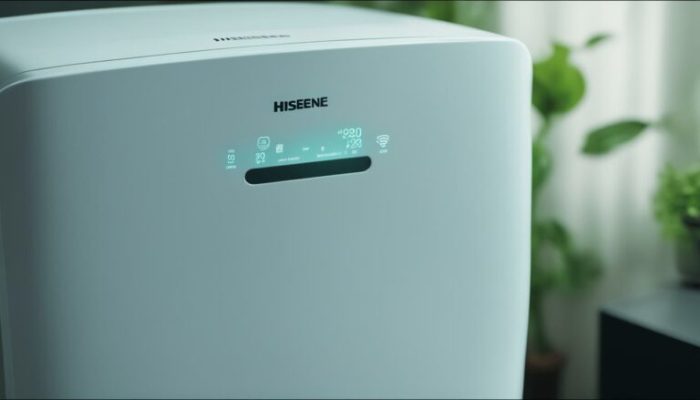
Regular cleaning and maintenance of your Hisense Portable AC are crucial for ensuring optimal performance and longevity of the unit. Neglecting proper maintenance can lead to decreased efficiency, higher energy consumption, and even potential breakdowns. To keep your portable AC running smoothly, follow these cleaning and maintenance guidelines.
Cleaning the Filters
Regularly cleaning the filters is essential to maintain the airflow and efficiency of your portable AC. Here's how you can clean the filters:
- Turn off the unit and unplug it from the power source.
- Locate the filter panel and remove the filters carefully.
- Gently vacuum or wash the filters with mild soap and water. Make sure they are completely dry before placing them back.
- Reinsert the filters back into the unit and secure the filter panel.
Cleaning the Coils
The coils in your portable AC can accumulate dust and debris over time, affecting the cooling efficiency. Follow these steps to clean the coils:
- Turn off the unit and unplug it from the power source.
- Remove the coil cover carefully to access the coils.
- Use a soft brush or vacuum to remove any dirt or debris from the coils.
- Gently wipe the coils with a damp cloth if needed, being careful not to bend or damage them.
- Once clean, reattach the coil cover securely.
Other Components Maintenance
In addition to filters and coils, other components like the vents, fan blades, and condensate drain also require regular maintenance. Here are some general maintenance tips:
- Check and clean the vents to ensure proper airflow.
- Inspect the fan blades for any dirt or obstruction and clean them if necessary.
- Clear the condensate drain to prevent water leakage and mold buildup.
Remember, a dirty filter or coil can reduce the efficiency of your portable AC, leading to increased energy consumption and potential damage to the unit. Regular cleaning and maintenance will not only keep your AC running smoothly but also extend its lifespan.
Technical Support and Contact Information
When encountering complex issues with your Hisense Portable AC that cannot be resolved through basic troubleshooting steps, reaching out to technical support can be the next best step to finding a solution. Here's how you can contact Hisense customer support for assistance.
Contacting Hisense Customer Support
If you need technical assistance with your Hisense Portable AC, you can contact Hisense customer support through the following channels:
- Phone: Call the Hisense customer support hotline at [insert phone number] for immediate assistance.
- Email: Send an email to [insert email address] with a detailed description of the issue for support.
- Online Chat: Visit the Hisense website and engage in an online chat with a support representative for real-time help.
Technical support plays a crucial role in diagnosing and resolving complex issues with your Hisense Portable AC. Their expertise can help identify underlying problems, provide troubleshooting guidance, and even arrange for repairs or replacements if necessary.
Alternative Resources and Troubleshooting Guides
If you prefer exploring additional resources or troubleshooting guides on your own, Hisense may offer online resources such as:
- FAQ Section: Check the frequently asked questions section on the Hisense website for common troubleshooting tips.
- Online Manuals: Access digital copies of manuals and user guides to troubleshoot issues independently.
- Community Forums: Engage with other Hisense Portable AC users on community forums to seek advice and solutions from experienced users.
Final Thoughts
In conclusion, this guide serves as a valuable resource for Hisense Portable AC owners, offering practical solutions and expert advice for troubleshooting common issues. By following the guidelines provided, users can ensure their units operate efficiently and effectively, keeping cool and comfortable throughout the seasons.
Key Questions Answered
What should I do if my Hisense Portable AC stops working suddenly?
Check if the power supply is functioning properly and try resetting the unit. If the issue persists, contact customer support.
How often should I clean the filters of my Hisense Portable AC?
Filters should be cleaned at least once a month to maintain optimal performance.
What does error code E1 indicate on a Hisense Portable AC?
Error code E1 usually signifies a problem with the unit's temperature sensor. Refer to the user manual for specific troubleshooting steps.

![How To Avoid Contractor Scams [Infographic]](https://airconditioner.infotangerang.id/wp-content/uploads/2025/10/how-to-avoid-contractor-scams-feat-120x86.png)