Smart Air Conditioner Solutions for Modern Homes sets the stage for this enthralling narrative, offering readers a glimpse into a story that is rich in detail and brimming with originality. From innovative features to energy efficiency, this discussion covers all aspects of smart air conditioners for modern living.
Smart Air Conditioner Features
Smart air conditioners come equipped with innovative features that not only enhance user experience but also improve energy efficiency compared to traditional air conditioners.
1. Wi-Fi Connectivity
Smart air conditioners can be controlled remotely through a smartphone app or voice commands. This feature allows users to adjust the temperature, set schedules, and monitor energy usage even when they are not at home.
2. Adaptive Cooling
These air conditioners use sensors to detect changes in temperature and adjust cooling levels accordingly. By automatically optimizing cooling settings based on room conditions, they help save energy and maintain a comfortable environment.
3. Energy Usage Tracking
Smart air conditioners provide real-time data on energy consumption, allowing users to monitor usage patterns and identify opportunities for optimization. This feature promotes energy efficiency by encouraging users to make informed decisions about their cooling habits.
4. Geolocation Technology
Some smart air conditioners utilize geolocation technology to detect when users are approaching home. By automatically adjusting settings to cool the space before arrival, this feature ensures a comfortable environment while minimizing energy waste.
Integration with Smart Home Systems
Smart air conditioners today are designed to seamlessly integrate with popular smart home systems like Google Home or Amazon Alexa. This integration allows users to control their air conditioners using voice commands or through a centralized app on their smart devices.
Automation Possibilities
- Turning on/off the air conditioner based on the occupancy detected by smart sensors in the home.
- Adjusting the temperature settings automatically when the homeowner leaves or arrives home using geolocation services.
- Creating custom schedules for the air conditioner to optimize energy usage based on the user's daily routine.
Benefits of Centralized Control System
- Convenience: Users can control multiple smart home appliances, including the air conditioner, through a single interface.
- Energy Efficiency: Centralized control allows for better coordination between devices, leading to energy savings.
- Customization: Users can create personalized settings and preferences for each device and automate interactions between them.
Energy Efficiency and Cost Savings
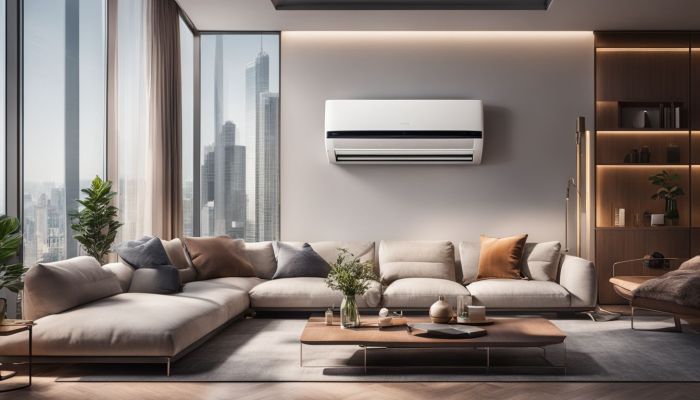
Smart air conditioners are designed to optimize energy consumption by utilizing advanced technology and sensors to regulate temperature more efficiently compared to traditional models. By constantly monitoring room conditions and adjusting cooling levels accordingly, smart air conditioners can help reduce energy waste and lower electricity bills.
Maximizing Energy Efficiency
- Set temperature schedules: Program your smart air conditioner to adjust temperatures based on your daily routine, so it doesn't cool an empty house.
- Utilize eco mode: Many smart air conditioners have an eco mode that automatically adjusts settings to minimize energy consumption.
- Regular maintenance: Keep air filters clean and ensure proper sealing around windows and doors to prevent cool air from escaping.
Cost Savings with Smart Air Conditioners
Smart air conditioners can lead to significant cost savings over time due to their energy-efficient operation. By reducing energy waste and optimizing cooling performance, homeowners can expect to see a decrease in their monthly electricity bills. Additionally, the ability to remotely control and monitor the air conditioner through a smart home system can help prevent unnecessary cooling when no one is home, further contributing to cost savings
Remote Access and Control
In today's fast-paced world, the ability to control your air conditioning settings remotely via smartphone apps offers unparalleled convenience and flexibility.
Setting up Remote Access Features
Setting up and using remote access features on smart air conditioners is a straightforward process. Typically, you would need to download the manufacturer's app on your smartphone, connect your air conditioner to your home Wi-Fi network, and follow the instructions to pair the device with the app.
Once set up, you can adjust temperature settings, fan speeds, and modes from anywhere with an internet connection.
Scenarios for Remote Control Usage
- Remote Monitoring: Imagine being able to check and adjust the temperature of your home while you are still at work, ensuring you come back to a comfortable environment.
- Energy Efficiency: With remote access, you can turn off the air conditioner when you realize it's still running while no one is at home, helping to save energy and reduce utility costs.
- Vacation Mode: Before heading on vacation, you can set the air conditioner to a higher temperature remotely to save energy, and then lower it back to your preferred setting before you return.
Health and Comfort Features
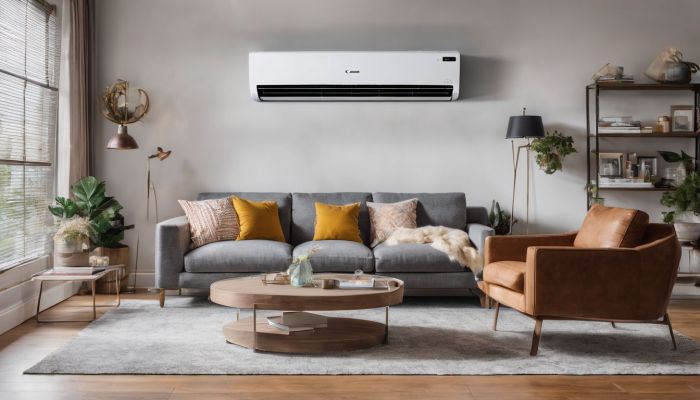
Smart air conditioners come equipped with a range of health and comfort features that set them apart from traditional systems. These features are designed to not only maintain a comfortable indoor environment but also to promote better air quality and overall well-being.
Air Quality Monitoring and Filtration
Smart air conditioners are equipped with advanced sensors that continuously monitor air quality levels in your home. These sensors can detect pollutants, allergens, and other harmful particles in the air, allowing the system to adjust its settings accordingly. Additionally, smart air conditioners come with high-efficiency filters that help trap dust, pollen, and other contaminants, ensuring that the air circulating in your home is clean and fresh.
- Advanced sensors monitor air quality levels.
- Filters trap dust, pollen, and other contaminants.
- System adjusts settings based on detected pollutants.
Contribution to a Healthier Indoor Environment
By monitoring air quality and filtering out harmful particles, smart air conditioners contribute to creating a healthier indoor environment for you and your family. Improved air quality can help reduce allergies, asthma symptoms, and respiratory issues, promoting better overall health and well-being.
With smart air conditioners, you can breathe easy knowing that your home's air is being constantly monitored and purified.
- Reduces allergies, asthma symptoms, and respiratory issues.
- Promotes better overall health and well-being.
- Constant monitoring and purification of indoor air.
Outcome Summary
In conclusion, Smart Air Conditioner Solutions for Modern Homes not only revolutionize the way we cool our living spaces but also pave the way for a more comfortable and sustainable future. With enhanced control, energy savings, and health benefits, smart air conditioners are indeed a game-changer in modern home technology.
User Queries
How do smart air conditioners enhance energy efficiency?
Smart air conditioners optimize energy consumption through features like adaptive cooling and scheduling, ensuring efficient operation.
Can smart air conditioners be integrated with voice-controlled smart home systems?
Yes, smart air conditioners can seamlessly integrate with popular systems like Google Home or Amazon Alexa for voice-controlled operation.
What health features do smart air conditioners offer?
Smart air conditioners often include air quality monitoring and advanced filtration systems to promote a healthier indoor environment.



![How To Avoid Contractor Scams [Infographic]](https://airconditioner.infotangerang.id/wp-content/uploads/2025/10/how-to-avoid-contractor-scams-feat-120x86.png)