Exploring the realm of reducing energy bills with a new AC system, this introduction aims to provide a captivating overview that sparks curiosity and interest right from the start.
Detailing the importance of upgrading to energy-efficient AC systems and the impact it can have on your utility bills and overall energy consumption.
Importance of Upgrading to a New AC System
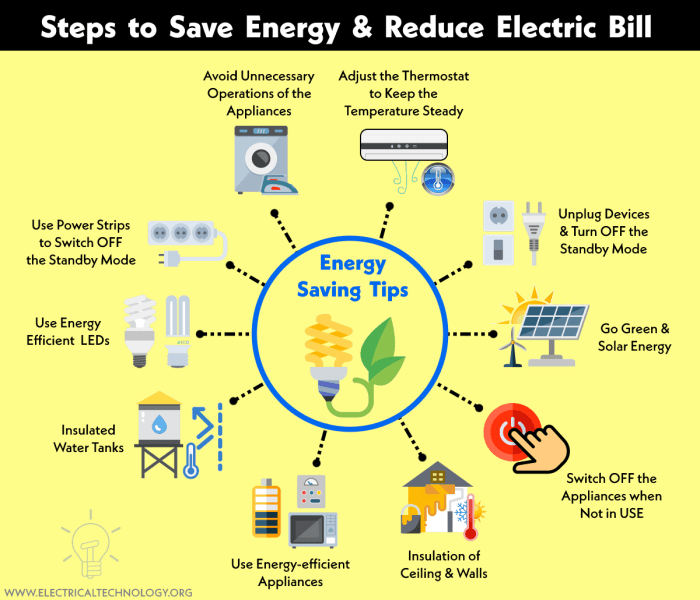
Upgrading to a new AC system can bring significant benefits, especially in terms of energy efficiency. By investing in a modern AC unit, you can reduce energy consumption and ultimately lower your utility bills.
Energy-Efficient Features in Modern AC Systems
- Variable-speed motors: These motors adjust airflow based on cooling needs, reducing energy waste.
- Programmable thermostats: Allow you to set specific temperatures for different times of the day, optimizing energy usage.
- Energy Star rating: AC units with this rating meet strict energy efficiency guidelines, ensuring lower energy consumption.
- Zoning capabilities: Divide your home into zones to cool only the areas that are in use, saving energy in unoccupied spaces.
Choosing the Right Size and Efficiency Rating
Selecting the appropriate size and efficiency rating for your new AC system is crucial in optimizing energy savings and overall performance. A properly sized unit will ensure efficient cooling and prevent unnecessary energy consumption, while a high SEER rating can significantly reduce your energy bills over time.
Significance of Correct Size AC Unit
Choosing the right size AC unit for your space is essential to ensure optimal performance and energy efficiency. An undersized unit will struggle to cool the area effectively, leading to increased energy consumption as it works harder to reach the desired temperature.
On the other hand, an oversized unit may cool the space too quickly, resulting in frequent cycling on and off, which not only wastes energy but also puts unnecessary strain on the system.
Importance of SEER Rating
The SEER (Seasonal Energy Efficiency Ratio) rating indicates the efficiency of an AC system. A higher SEER rating means that the unit can provide the same cooling output using less energy, resulting in lower electricity bills. When upgrading to a new AC system, opting for a unit with a higher SEER rating can lead to significant long-term savings on energy costs.
Tips for Determining Size and Efficiency Rating
- Consult with a professional HVAC technician to perform a load calculation to determine the correct size AC unit for your space based on factors such as square footage, insulation, and windows.
- Consider the climate in your area to determine the appropriate SEER rating that balances initial cost with long-term energy savings.
- Look for Energy Star certified models, which meet strict energy efficiency guidelines set by the EPA and can help you save money on your utility bills.
Energy-Efficient Features to Look For
When purchasing a new AC system, it is essential to consider key energy-efficient features that can help reduce energy consumption and lower utility bills.
Programmable Thermostats
- Programmable thermostats allow you to set different temperatures for various times of the day, ensuring your AC system runs only when needed.
- By programming your thermostat to adjust temperatures based on your schedule, you can avoid unnecessary cooling and save energy.
- Some modern AC units come with smart thermostats that can be controlled remotely through mobile apps, offering even greater convenience and energy savings.
Variable-Speed Compressors
- AC units equipped with variable-speed compressors can adjust their speed based on the cooling needs of your home, consuming less energy compared to single-speed compressors.
- These compressors operate more efficiently by running at lower speeds for longer periods, maintaining consistent indoor temperatures while reducing energy consumption.
- Variable-speed compressors also help improve humidity control, enhancing comfort levels in your home while saving on energy costs.
Proper Maintenance for Energy Efficiency
Regular maintenance plays a crucial role in ensuring the optimal energy efficiency of your AC system. By implementing a few simple tasks, you can improve energy efficiency and reduce your energy bills significantly.
Checklist of Maintenance Tasks
- Regularly change air filters: Clogged air filters can restrict airflow, making your AC work harder and consume more energy. Aim to replace filters every 1-3 months.
- Clean coils: Dust and debris can accumulate on the evaporator and condenser coils, reducing the system's efficiency. Regularly clean these coils to ensure proper heat exchange.
- Schedule professional tune-ups: Hiring a professional HVAC technician to perform regular maintenance checks can help identify and address any issues that could be impacting energy efficiency.
Importance of Changing Air Filters
Regularly changing air filters is vital for maintaining energy efficiency. Clogged filters can lead to reduced airflow, causing the system to work harder and consume more energy. By replacing filters as recommended, you can ensure optimal performance and lower energy bills.
Cleaning Coils for Efficiency
Cleaning the evaporator and condenser coils is essential for maintaining energy efficiency. Dust and debris can accumulate on these coils, insulating them and hindering heat transfer. By keeping the coils clean, you allow for efficient heat exchange, reducing energy consumption in the process.
Professional Tune-Ups for Peak Performance
Scheduling professional tune-ups for your AC system is crucial for maintaining energy efficiency. HVAC technicians can inspect the system, identify any issues impacting performance, and make necessary adjustments to optimize efficiency. Regular tune-ups can help extend the life of your AC system and keep energy bills in check.
Epilogue
Concluding our discussion on reducing energy bills with a new AC system, we have delved into the key aspects of upgrading, choosing the right size and efficiency rating, energy-efficient features, and proper maintenance to maximize efficiency and savings.
Query Resolution
What is the role of SEER rating in reducing energy bills?
The SEER rating indicates the energy efficiency of an AC system - the higher the rating, the more efficient the unit is, leading to lower energy bills.
How can programmable thermostats help in reducing energy consumption?
Programmable thermostats allow you to set specific temperatures for different times of the day, optimizing energy usage and reducing wastage.
Why is regular maintenance crucial for energy efficiency of an AC system?
Regular maintenance ensures that the system operates at peak efficiency, preventing energy wastage and extending the lifespan of the unit.


![How To Avoid Contractor Scams [Infographic]](https://airconditioner.infotangerang.id/wp-content/uploads/2025/10/how-to-avoid-contractor-scams-feat-120x86.png)